

Beyond the Dance Floor: How a Professional DJ Shapes the Energy of an Event
September 16, 2026
How a Professional Event DJ Shapes the Guest Experience | DJ Dazzler

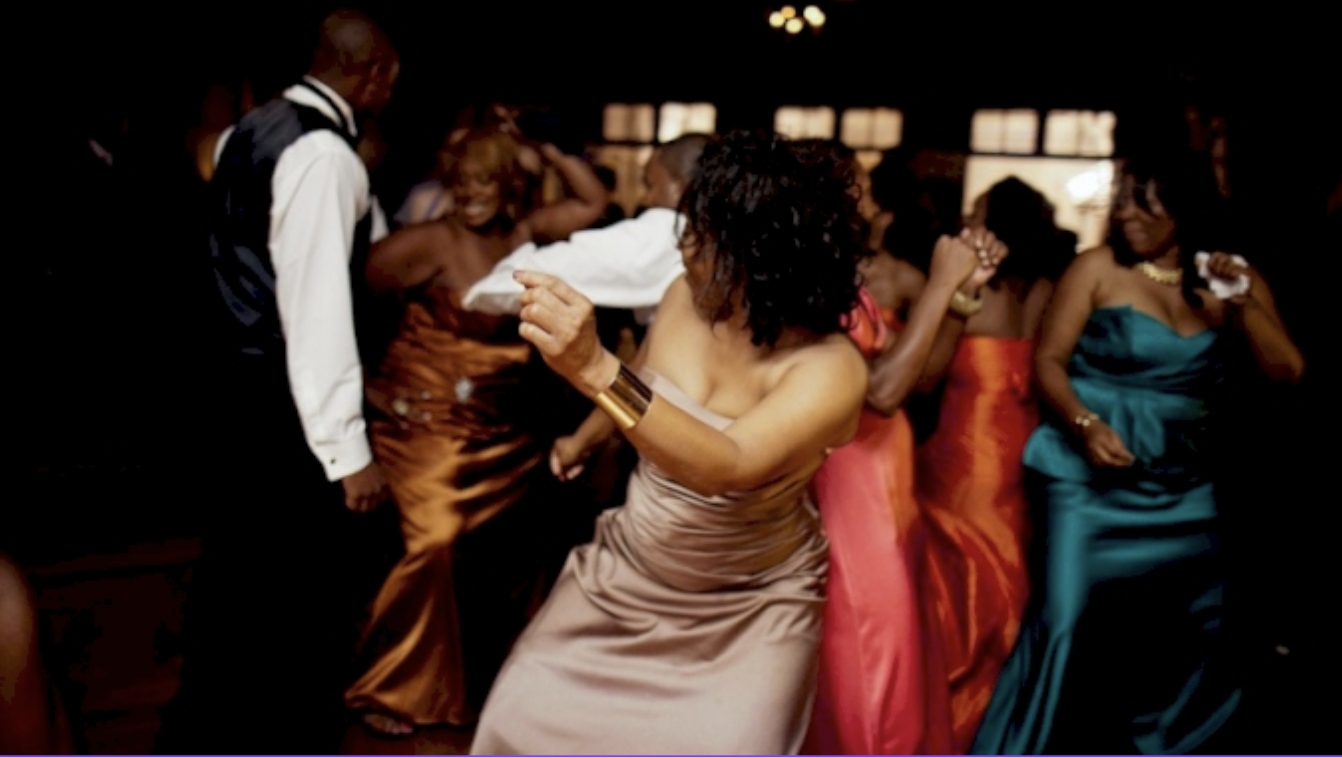
When people think about hiring a DJ, their mind usually goes straight to the dance floor.
What songs will get people moving? Will the DJ read the room? Will the dance floor stay packed? Those things matter.
But when I’m programming music for an event, the dance floor isn’t where I start. Any guesses on where I begin? I start with the guest experience.
Whether I’m preparing for a wedding, corporate event, brand activation, gala, sporting event or private celebration, I’m thinking about what guests experience from the moment they arrive. A great event doesn’t suddenly become great when the dancing starts.
The energy has been building long before that.
Every Event Has an Energy Arc
Think about the last event you attended. You probably didn’t walk through the doors ready to hit the dance floor.
You arrived, you took in the space. You most likely found familiar faces and grabbed a drink. Conversations were had, and you experienced whatever the event had planned, whether that was dinner, presentations, speeches, awards, entertainment or activations.
Your energy changed throughout the experience, and music can help guide those changes.
That’s why I don’t think about an event as one long playlist.
I think about how the room should feel at different points throughout the experience.
And that starts before most guests even realize they’re paying attention to the music.
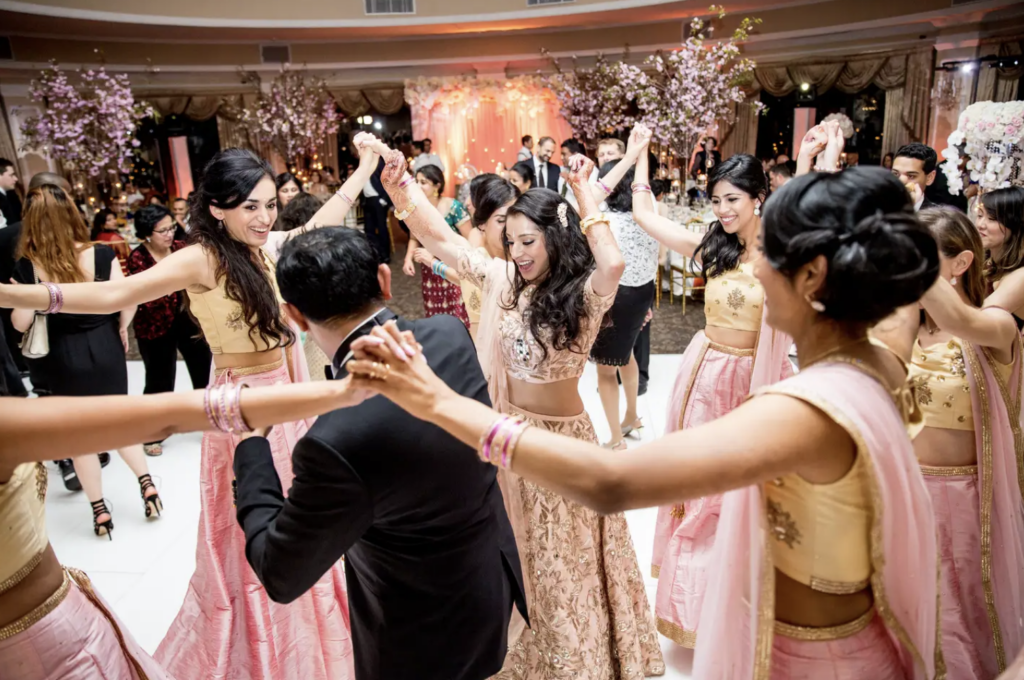
Arrival: The First Impression
The event begins before the main program does. Guests are already forming an impression when they enter the space.
What does this event feel like?
Is it elevated? Energetic? Sophisticated? Playful? Fashion-forward? Celebratory? Music helps answer those questions without saying a word.
For a brand activation, that might mean creating a sound that complements the brand’s identity and the environment they’ve designed. For a corporate reception, it could mean establishing energy without overpowering conversation. For a wedding, it might mean introducing musical choices that feel distinctly connected to the couple.
Every event calls for something different, but the intention stays the same.
The music should feel like it belongs in the room.
The Social Hour: Creating Movement Without Taking Over
Cocktail hours, networking receptions and pre-event gatherings have a specific purpose. People are connecting.
The music needs personality, but it also needs restraint. I’m thinking about tempo, familiarity, genre and volume while watching how guests are interacting with the space.
We’re building momentum without forcing it.
As the room becomes more comfortable, the music can begin doing a little more. Maybe the tempo increases, or maybe recognizable songs start appearing. Sometimes, I’m introducing sounds that hint at where we’re headed later.

Dinner and Programming: Music Isn’t Filler
Dinner music gets so incredibly underestimated along with the music underneath many other parts of an event. This can include awards, presentations, transitions, brand moments, intros, walk-ons, breaks in between programming. The list goes on and on.
What I’ve learned in my experience is that these aren’t moments where I wait for the “real” event to begin. It’s all part of the experience. The music around them can maintain momentum, reset the room or signal that something is about to happen.
You know what I’m doing through all of it? Watching guests and paying attention to your audience. I pay attention to the sound of conversations, are people singing a long, are heads starting to nod and check to see if the room is ready for for more energy or if it needs space.
Those cues matter.
A playlist can play songs. A DJ can respond to a room.
There’s a difference.
Transitions: The Moments You Shouldn’t Notice
Some of the most important parts of an event are the ones guests barely notice whether that’s moving from cocktails into dinner, transitioning out of a presentation or bringing someone’s attention back to the stage.
Other elements include moving from an awards program into a celebration or opening a dance floor without making the shift feel abrupt.
Transitions determine whether an event feels cohesive or like a collection of unrelated moments happening in the same room.
When they’re handled well, nobody stops and thinks, Wow, that was an excellent transition. They stay engaged, and that’s the point.
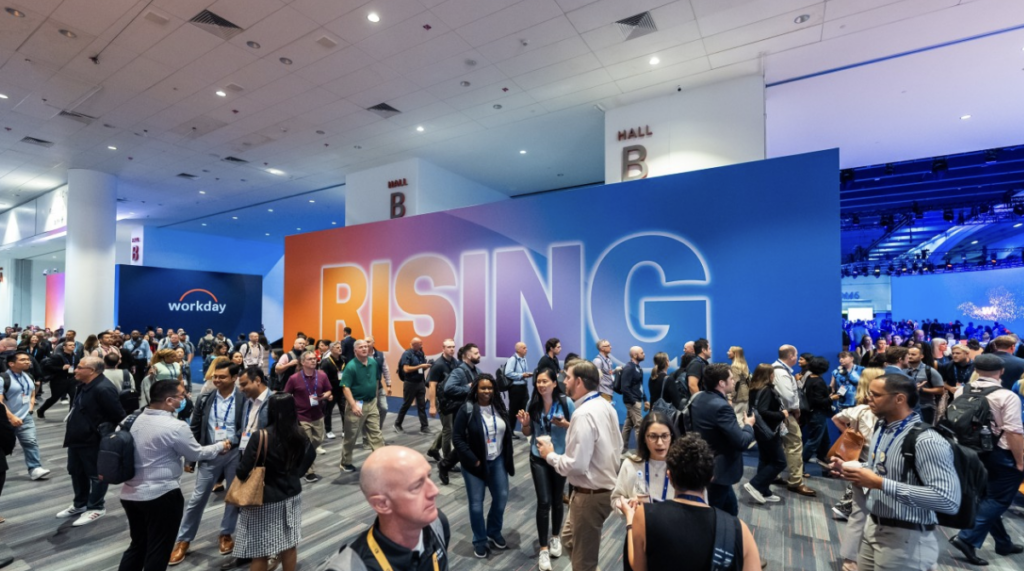
Building Energy: You Don’t Start at 100
One of the easiest mistakes to make with event music is assuming high-energy music automatically creates a high-energy room… because it doesn’t.
If everything is a 10, nothing feels like a 10. I want somewhere to go.
Throughout an event, I’m paying attention to tempo, familiarity, genre, volume, audience response and what’s happening in the room.
Sometimes the music needs to lead, support or even to get out of the way. Knowing the difference is part of the job.
The goal is to create an escalation that feels natural so that when the event reaches its biggest moments, the energy feels earned rather than manufactured.
And THEN We Get to the Dance Floor
If dancing is part of the event, now we’re ready.
The guests are comfortable, and they’ve connected. The room has developed its own personality, and the energy has been building.
And I already know more about the audience than I did when they walked through the door because that’s when reading the room becomes even more important.
Who’s dancing? Who’s hovering near the edges? What generations are represented?
Which songs are getting an immediate reaction? What does this audience want next?
Sometimes the right move is exactly what I planned, and sometimes the room tells me something completely different. That’s part of the craft.
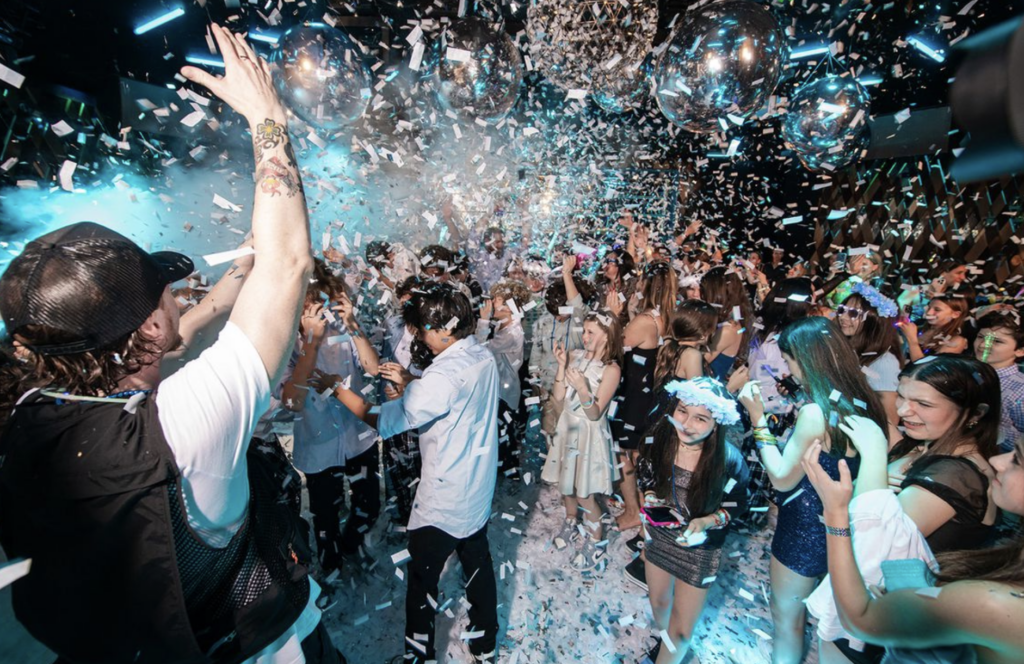
A DJ’s Job Is Bigger Than Playing Music
There’s a reason I don’t begin planning an event by asking what songs we’re playing on the dance floor: I’m thinking about the entire experience.
Arrival. Connection. Programming. Transitions. Momentum. Escalation. Celebration.
Music connects those moments.
Whether I’m DJing a wedding, corporate event, brand activation, gala, sporting event or private celebration, my approach starts with the same question:
How should this experience feel?
Once I understand that, I can start building the soundtrack around it.
The dance floor may be where everyone notices the DJ, but the work started long before anyone began dancing.
Getting the music right starts with understanding the event long before anyone hits the dance floor. The people in the room, the flow of the experience and how you want it all to feel are what shape the soundtrack.
Planning an event and want to make sure the music feels right from arrival to the final song? Let’s schedule a chat and talk through what you’re creating.